 Skip to content

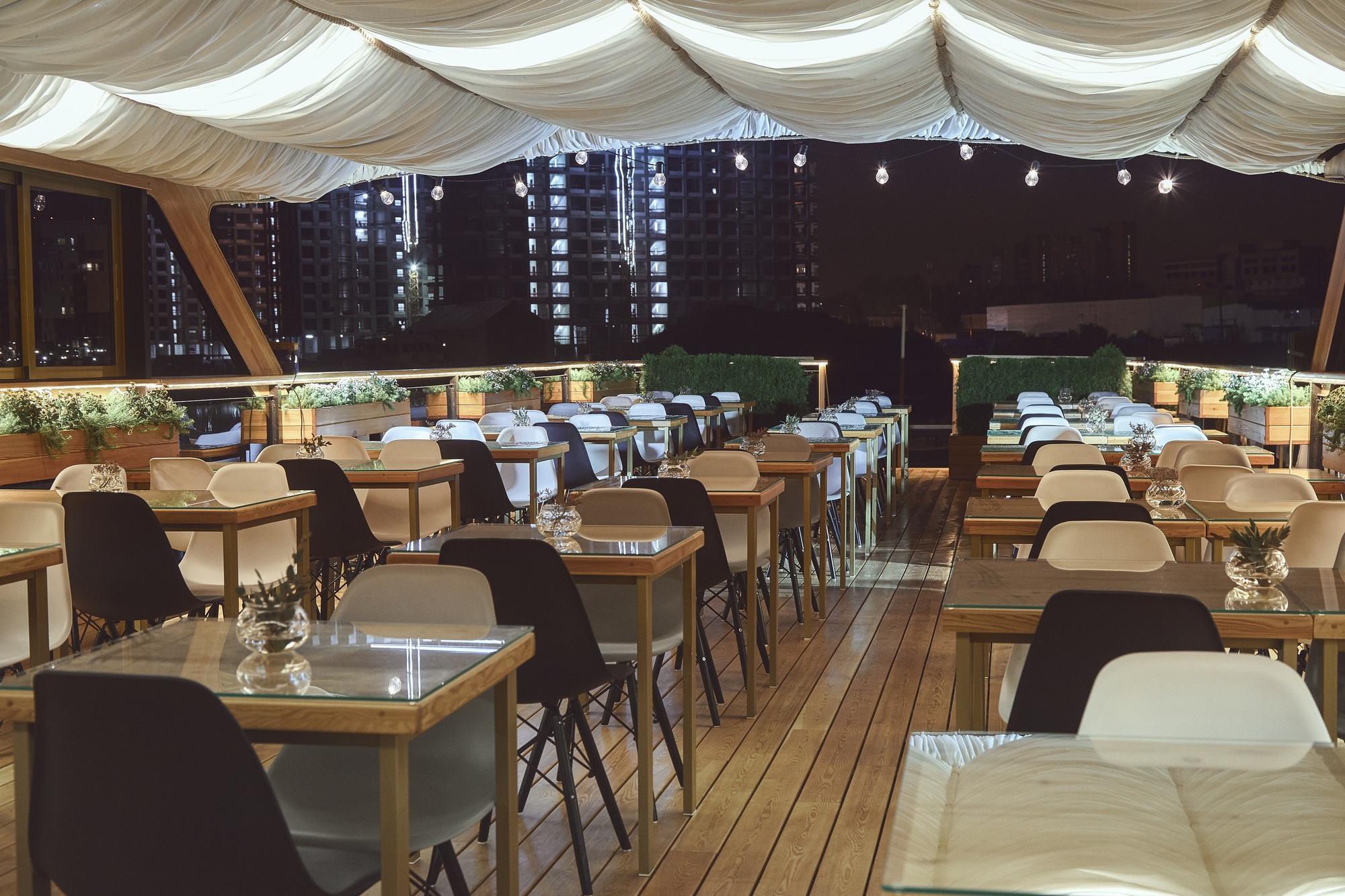
Embarking on a commercial construction or renovation project can seem daunting. From initial concept to final walkthrough, multiple parties, schedules, and budgets must align. For businesses considering significant building improvements, understanding different project delivery methods is key to success. The Design Build approach offers a unified solution, consolidating design and construction under a single contract. This method aims to simplify the process, foster better collaboration, and deliver projects more efficiently.
Key points
- Design Build integrates design and construction services under one contract.
- This approach offers a single point of responsibility and streamlined communication.
- Project timelines can be accelerated due to overlapping design and construction phases.
- Early contractor involvement aids in cost control and value engineering.
- Ideal for various commercial projects including office, fitness, and restaurant renovations.
What is Design Build?
Design Build is a project delivery method where a single entity, the design-builder, is responsible for both the design and construction phases of a project. This is fundamentally different from traditional methods where a client hires an architect or designer separately from a general contractor. In a Design Build arrangement, the client contracts with one entity, which then manages all aspects from initial design to construction completion. This integrated approach streamlines communication and accountability, as there is one point of contact for the entire project. It aims to create a more collaborative environment between the design and construction teams, leading to fewer conflicts and a more cohesive outcome.
The Design Build Process in Action
The Design Build process typically begins with the client engaging with the design-builder to discuss project goals, scope, and budget. The design-builder then assembles a team, often including in-house designers or collaborating architects and engineers, to develop the project’s design. Throughout the design development, constructability reviews are conducted by the construction team. This early involvement of the construction expertise helps identify potential issues, optimize material selection, and refine the construction schedule before final designs are completed. As the design progresses, the construction team simultaneously plans and prepares for the building phase. This overlap allows for faster project timelines compared to traditional methods where design must be fully completed before construction begins. For commercial renovations, such as office, fitness, and restaurant renovations, this can mean a quicker return to business operations. Facility repairs and maintenance projects also benefit from the streamlined process, ensuring efficient problem-solving and execution.
Benefits of the Design Build Method
One of the primary advantages of Design Build is single-point responsibility. The client has one contract and one team to manage, simplifying communication and reducing the risk of disputes between designers and contractors. This unified approach often leads to faster project delivery because design and construction activities can overlap. Schedule compression is a significant benefit, allowing businesses to open doors or resume full operations sooner. Cost control can also be improved. By involving construction professionals early in the design process, value engineering can be effectively implemented. This means exploring alternative materials, systems, and methods to achieve the desired outcome at the best possible cost without compromising quality. Furthermore, the collaborative nature of Design Build often fosters innovation, as the integrated team can brainstorm solutions that might not emerge in a more fragmented project structure. This is particularly valuable for unique projects or complex building improvements.
When is Design Build the Right Choice?
The Design Build method is well-suited for a variety of commercial projects. Businesses undertaking significant building improvements, whether it’s a complete overhaul or a series of upgrades, can benefit from the streamlined process. It is an excellent option for new construction, major renovations, and complex projects where integrating design and construction expertise early on is critical. Specific applications include office, fitness, and restaurant renovations, where speed to market and precise execution are often paramount. It is also highly effective for facility repairs and maintenance that require a comprehensive and coordinated approach. Clients who value clear communication, a single point of accountability, and potentially faster project completion may find Design Build to be the most advantageous delivery method for their needs.
Common questions
What is the primary difference between Design Build and traditional construction methods?
The primary difference lies in the project delivery structure: Design Build consolidates design and construction services under a single contract with one entity, whereas traditional methods typically involve separate contracts for design (with an architect or designer) and construction (with a general contractor).
How does Design Build impact project timelines?
Design Build often leads to faster project timelines because design and construction phases can overlap. This allows construction activities to begin while design elements are still being finalized, significantly reducing overall project duration compared to traditional methods where design must be fully complete before construction commences.
What are the cost implications of using Design Build?
Design Build can lead to better cost control through early contractor involvement in the design process. This facilitates value engineering, allowing for the exploration of cost-effective solutions and material selections that align with the project budget, while also minimizing costly changes during construction.
Who is involved in a Design Build project team?
A Design Build project team is managed by the design-builder and typically includes architects, engineers, and construction professionals working collaboratively under one contract. The client interacts with this single entity for all project aspects.
