 Skip to content


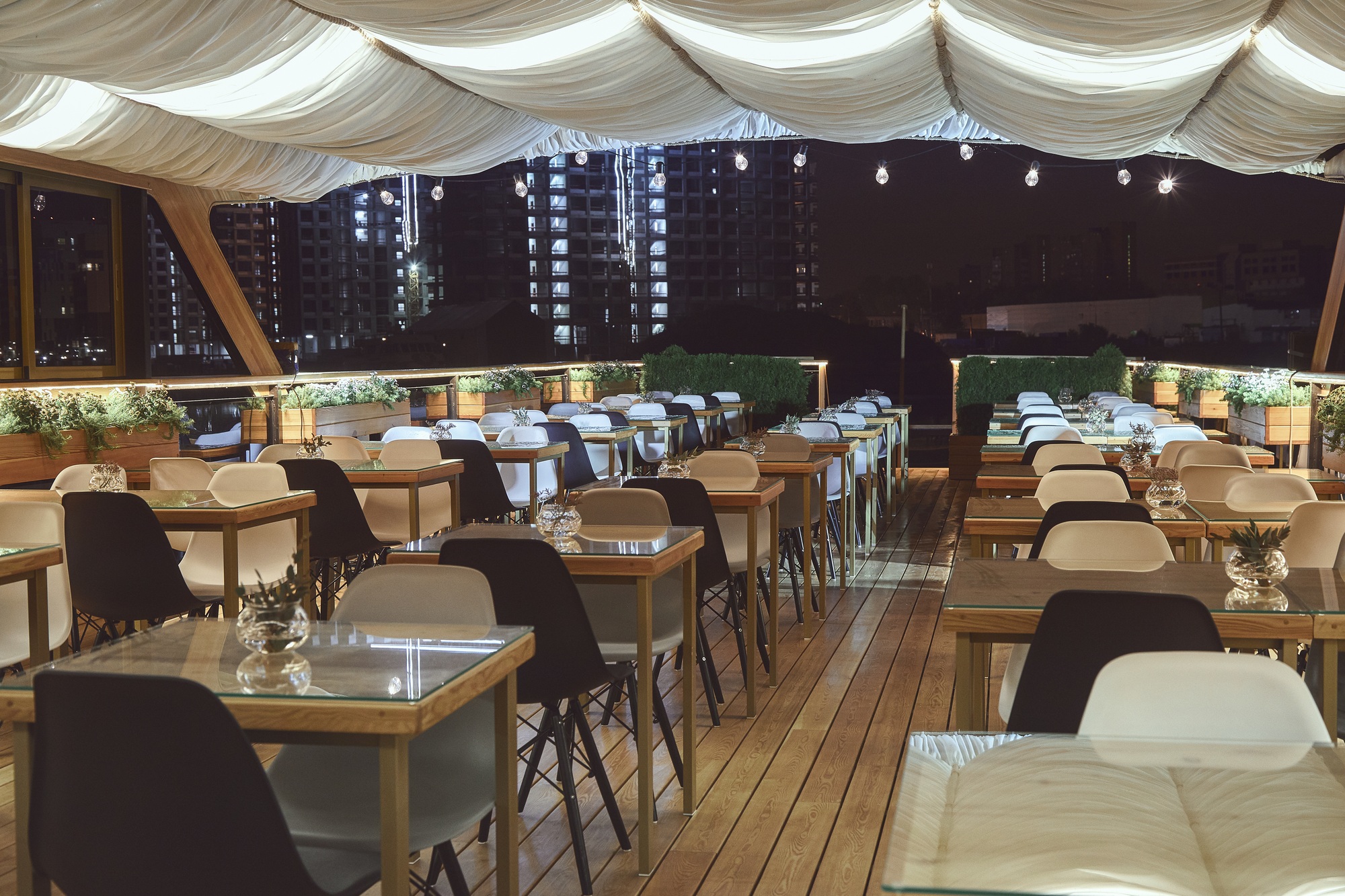
Embarking on a commercial construction or renovation project in Rochester Hills requires careful planning and the right partner. The design-build approach offers a streamlined process, consolidating design and construction under one contract. Selecting the ideal design-build firm is crucial for project success, impacting everything from budget adherence to final quality. This guide will help you understand the critical elements to consider when choosing a provider for your building improvements, office, fitness, or restaurant renovations.
Key points
- The design-build method consolidates design and construction under one contract for streamlined project delivery.
- Key selection criteria include a provider’s experience, portfolio, communication style, and project management capabilities.
- Thorough due diligence, including checking client references, is essential before selecting a design-build partner.
- Understanding the contractual framework ensures clarity on scope, budget, timeline, and responsibilities.
- Look for a firm with expertise relevant to your specific project, whether it’s commercial construction or specialized renovations.
Understanding the Design-Build Advantage
The design-build method integrates architectural design and construction services into a single, unified package. This contrasts with traditional methods where an owner hires separate designers and contractors. With design-build, one entity manages the entire project lifecycle, from initial concept and design development through to construction and final handover. This single point of responsibility fosters better communication, reduces potential conflicts, and can accelerate project timelines. For businesses undertaking facility repairs and maintenance, or extensive office, fitness and restaurant renovations, this integrated approach often leads to greater efficiency and a more cohesive final product. It allows for continuous collaboration between designers and builders, enabling constructability reviews and value engineering to occur earlier in the process.
Key Considerations When Selecting a Provider
When seeking a design-build partner in Rochester Hills, several factors warrant close examination. Look for a firm with a proven track record in your specific sector, whether it’s for commercial construction, office, fitness and restaurant renovations, or specialized restaurant renovation projects. Their experience should extend to understanding local building codes and permitting processes, ensuring a smoother project flow. Evaluate their portfolio to assess the quality of their past work and the diversity of projects they have completed. A firm’s communication style and collaborative approach are also vital. You need a partner who listens to your needs, provides clear updates, and is proactive in addressing challenges. Consider their approach to project management, including how they handle scheduling, budgeting, and quality control throughout the construction phase. Their ability to deliver on time and within budget is a strong indicator of their competence.
Assessing Expertise and Capabilities
A competent design-build provider will demonstrate a deep understanding of both design principles and construction methodologies. This includes having in-house design professionals or a strong, established network of architects and engineers. Their construction team should possess the necessary skills and experience to execute complex projects. Investigate their approach to innovation and problem-solving. Do they leverage technology to enhance design and construction? Can they offer creative solutions to unique site challenges or project requirements? For businesses focused on facility repairs and maintenance or significant building improvements, the firm’s ability to perform detailed assessments and recommend cost-effective, durable solutions is paramount. Their understanding of material science and construction techniques directly impacts the long-term performance and value of your facility.
Understanding the Contractual Framework
The design-build contract is a cornerstone of the process. It establishes the scope of work, budget, timeline, and responsibilities of all parties. Carefully review the contract’s terms, paying attention to clauses related to change orders, dispute resolution, and warranties. A transparent contract should clearly outline how costs are determined and managed, and what happens if project scope changes. Discuss the payment schedule and ensure it aligns with project milestones. Understanding the contractual framework provides clarity and protects your interests throughout the project. It is advisable to have legal counsel review the contract before signing, particularly for large or complex building improvements.
Due Diligence and References
Before making a final decision, conduct thorough due diligence. Request references from past clients, especially those with projects similar in scope and type to yours. Contact these references to inquire about their experience with the firm, focusing on aspects like project management, communication, budget adherence, and overall satisfaction. Review online testimonials and any available project case studies. A reputable design-build provider will be transparent about their past performance and confident in providing client contacts. This step is essential to verify the firm’s capabilities and ensure they are a good fit for your organization’s needs and expectations. For businesses seeking restaurant renovation or office, fitness and restaurant renovations, client feedback is invaluable.
Common questions
What is design-build?
Design-build is a project delivery method that combines architectural design and construction services under a single contract, with one entity responsible for both. This integrated approach aims to streamline the process, improve communication, and enhance project efficiency compared to traditional methods.
What are the benefits of using design-build?
The primary benefits of design-build include a single point of responsibility, faster project delivery, improved collaboration between design and construction teams, and often more cost certainty. This can lead to a more efficient and cohesive project outcome.
What types of projects are suitable for design-build?
Design-build is suitable for a wide range of projects, including new commercial construction, office, fitness and restaurant renovations, facility repairs and maintenance, and specialized restaurant renovation projects. Its integrated nature is beneficial for projects requiring close coordination between design and execution.
How do I ensure a design-build firm is reputable?
To ensure a firm is reputable, review their portfolio, check client references, investigate their experience with similar projects, and examine their contractual agreements. Due diligence, including seeking feedback from past clients, is crucial.
