 Skip to content

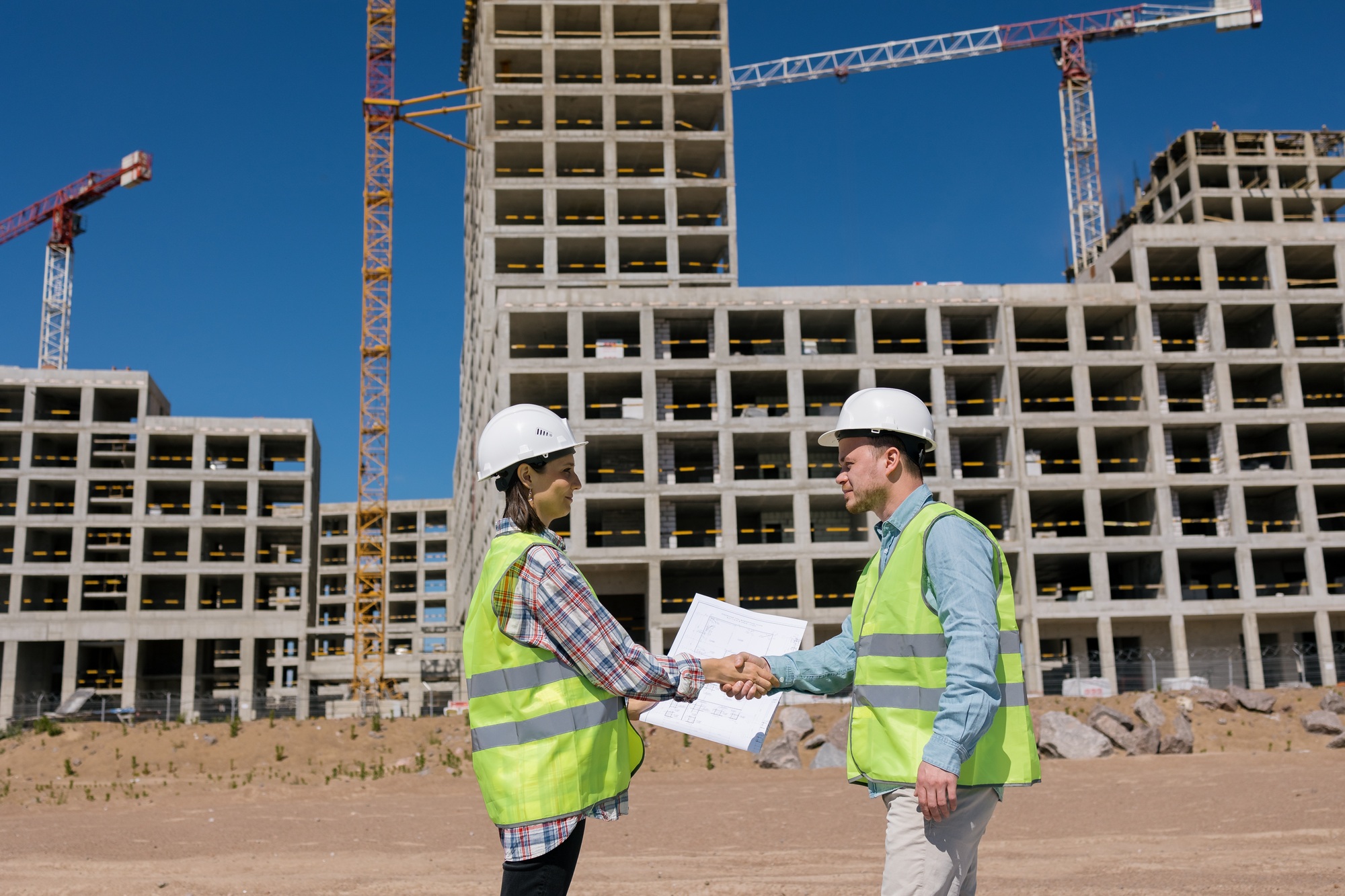
Investing in your commercial property through building improvements can significantly enhance its functionality, appeal, and value. However, not all renovations are created equal. Understanding when these improvements are truly worth the investment is key to maximizing your returns and ensuring your facility meets evolving business needs.
Key points
- Building improvements should align with strategic business goals and offer a clear return on investment.
- The Design-Build method can streamline complex projects by integrating design and construction expertise.
- Proactive facility repairs and maintenance can prevent minor issues from becoming major, costly problems.
- Investing in energy-efficient upgrades and modern systems can lead to significant long-term operational savings.
- Anticipating future needs and market trends ensures that improvements enhance a property’s long-term value and competitiveness.
Identifying Opportunities for Value Addition
Building improvements are more than just cosmetic changes; they represent strategic investments aimed at boosting operational efficiency, improving user experience, and increasing asset value. Consider renovations when current conditions hinder productivity or safety. Facility repairs and maintenance, when addressed proactively, prevent minor issues from escalating into costly major problems, thereby preserving the building’s integrity and extending its lifespan. Upgrading outdated systems, such as HVAC or electrical, can lead to substantial savings in energy consumption and reduce the risk of breakdowns. Furthermore, improvements that enhance accessibility or incorporate modern design principles can attract higher-quality tenants or customers and improve employee morale and retention.
The Role of Design-Build in Project Success
For complex building improvements, a Design-Build approach offers a streamlined path to completion. This method integrates architectural design and construction services under a single contract. This unified approach fosters better communication and collaboration between designers and builders from the outset. It allows for value engineering and constructability reviews early in the process, which can identify potential cost savings and schedule efficiencies. By having one entity responsible for both design and construction, the project owner benefits from clear accountability and a more predictable outcome. This is particularly advantageous when undertaking significant renovations or new construction where the synergy between design intent and practical execution is critical for success.
When Facility Repairs and Maintenance Pay Off
Regular facility repairs and maintenance are foundational to preserving a building’s value and functionality. However, there comes a point where deferred maintenance or recurring minor repairs indicate a need for more substantial improvements. For instance, if a roof consistently leaks or a plumbing system requires frequent, costly interventions, it may be more economical in the long run to undertake a complete replacement or upgrade. Similarly, addressing structural issues or upgrading outdated building envelopes to improve energy efficiency can yield significant long-term savings and prevent future extensive repairs. The decision often hinges on comparing the cumulative cost of ongoing repairs against the upfront investment in a more permanent solution.
Assessing the Return on Investment
The justification for undertaking building improvements ultimately rests on the projected return on investment (ROI). This can manifest in several ways. Increased rental income or property value is a direct financial benefit. Reduced operating expenses, particularly through energy-efficient upgrades or more reliable systems, contribute to a stronger bottom line. Enhanced productivity and employee satisfaction, while harder to quantify, are significant intangible benefits that impact a business’s overall success. When considering a project, it is crucial to perform a thorough cost-benefit analysis, weighing the upfront expenditure against anticipated gains in revenue, cost savings, and operational improvements.
Considering Future Needs and Market Trends
Effective building improvements anticipate future needs and adapt to evolving market demands. This includes incorporating flexibility into designs to accommodate potential shifts in business operations or tenant requirements. Staying abreast of technological advancements, such as smart building systems or sustainable construction materials, can ensure your property remains competitive and attractive. Market research can inform decisions about which improvements will resonate most with potential clients or tenants, thereby increasing occupancy rates and rental potential. Proactive planning ensures that your investment not only addresses current deficiencies but also positions your property for sustained success in the future.
Common questions
What are the main benefits of undertaking building improvements?
The main benefits of building improvements include enhanced operational efficiency, improved aesthetics and functionality, increased property value, and potential reductions in operating costs through upgrades to systems like HVAC and lighting.
When is a design-build approach most beneficial for building improvements?
A design-build approach is most beneficial for complex projects where integrating design and construction early can lead to better coordination, cost control, and a more streamlined process with a single point of responsibility.
How can facility repairs and maintenance be considered a type of improvement?
Facility repairs and maintenance are considered improvements when they move beyond routine upkeep to address underlying issues with upgrades or replacements that enhance durability, efficiency, or safety, thereby preserving and increasing the building’s long-term value.
What factors should be considered when evaluating the ROI of building improvements?
When evaluating ROI, consider increased rental income, higher property valuation, reduced operational expenses (like energy or maintenance costs), improved productivity, and enhanced tenant or customer satisfaction.
How important is it to consider future needs in building improvement projects?
Considering future needs is crucial to ensure that building improvements provide long-term value and adaptability, allowing the facility to remain competitive and functional as business requirements or market trends evolve.
